
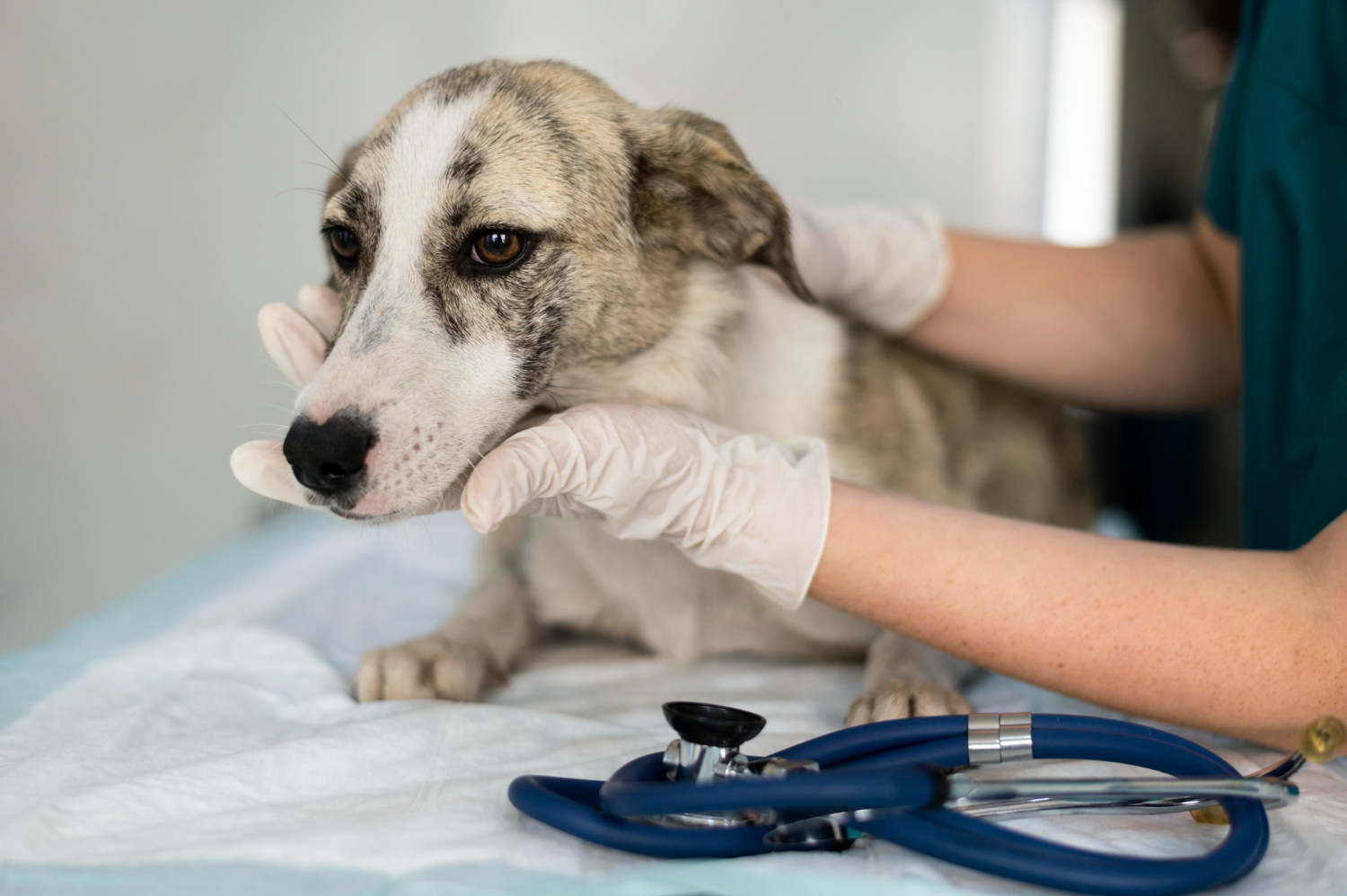
Your dog’s health can be a critically important, stressful, and overwhelming topic. It is easy to get confused or misdirected by the amount of conflicting information out there, and one of the most robust topics is vaccines and heartworm prevention.
Some sources make it sound like your dog needs everything under the sun, while others suggest a more minimal approach. So, how do you figure out what your dog actually needs?
The answer depends on a few key factors, including your dog’s lifestyle and environment. One of the most key factors is whether or not they frequently spend time around other dogs. Read on to learn how your dog’s unique factors may shape your path of treatment.
Core Vaccines: The Essentials Every Dog Needs
There are a few vaccines that are widely considered essential for all dogs, regardless of lifestyle. These are often referred to as “core vaccines” and include:
- Rabies:
- What it prevents: This vaccine prevents a viral infection that attacks your dog’s central nervous system, causing drastic behavioral changes, aggression, paralysis, and potentially death.
- How it is transmitted: Rabies is transmitted through the bite or scratch of an infected animal, most commonly wild animals like raccoons, bats, and foxes.
- Why it matters: The rabies vaccine is required by law in most states including California, and it is critical for both pet and public safety.
- Distemper:
- What it prevents: Distemper is a serious and highly contagious virus that attacks a dog’s respiratory, gastrointestinal, and central nervous systems, while severely weakening the immune system.
- How it is transmitted: It is transmitted through the air from the coughing, sneezing, or barking of infected dogs or wild animals.
- Why it matters: It a highly important vaccine if your dog is often around other pets or outdoor animals, as most are at dog parks, human social events, or boarding/daycare facilities.
- Parvovirus:
- What it prevents: Parvovirus is an often fatal disease that attacks the gastrointestinal tract and immune system.
- How it is transmitted: It is transmitted by direct contact with an infected dog’s feces, or indirectly through contaminated environments like soil, food bowls, leashes, and people’s hands or clothing.
- Why it matters: This disease is especially dangerous for puppies and unvaccinated dogs, and it is a highly contagious among these populations.
- Adenovirus (Hepatitis):
- What it prevents: The canine adenovirus (CAV) vaccine protects dogs against Infectious Canine Hepatitis (CAV-1) and kennel cough (CAV-2), preventing severe liver failure.
- How it is transmitted: Canine adenovirus is transmitted through contact with the urine, feces, saliva, or nasal discharge of an infected dog.
- Why it matters: Adenovirus is often bundled into the DHPP combination vaccine, making it one of the easiest protections to stay on top of.
The rabies vaccine is often given to dogs between 3 and 4 months old, or older, with additional boosters as recommended by your vet.
The vaccines for distemper, parvovirus, and canine adenovirus are typically a part of the combination vaccine DHPP, which is first administered when your puppy is between 6 and 8 weeks old, but can be administered older. Boosters are given on a schedule recommended by your veterinarian, often monthly until about 20 weeks old, then as adult boosters on an ongoing basis.
These vaccines protect against diseases that are widespread, severe, and yet often preventable. Core vaccines are a cornerstone of your dog’s long-term health.
Lifestyle Vaccines: Based on Your Dog’s Routine
Just as with humans, not every dog needs every vaccine. Beyond the core vaccines, here are some “non-core” vaccines your dog may need based on their lifestyle:
- Bordetella (Kennel Cough): This is highly recommended for dogs that are frequently around other dogs, including settings like daycare, boarding, grooming, or dog parks. It combats bacterium that causes severe coughing and respiratory infection, and it is administered as young as 3 to 8 weeks, then as frequently as every 6 to 12 months.
- Canine Influenza: This vaccine is considered for dogs in social or high-traffic environments. It reduces the illness severity, duration, and shedding that often come with the H3N8 and H3N2 strains of canine influenza. It is administered to dogs 6 weeks or older, with one booster 2 to 4 weeks after the first dose, then annually.
- Lyme Disease: The Lyme disease vaccine is especially relevant in areas with high tick populations, like wooded or rural regions. It prevents the infection risk and symptom severity of Lyme disease, which can cause fever, lethargy, loss of appetite, swollen lymph nodes, and joint inflammation. It is administered in an initial two-dose series about 3 to 4 weeks apart, as early as 8 to 9 weeks old, then annually.
If your dog is highly social, travels with you, or spends time outdoors, these vaccines can provide important added protection. A quick conversation with your vet can help determine what makes sense for your specific situation.
What’s Required for Boarding and Daycare?
If you’re planning to use a boarding or daycare facility, certain vaccines are typically required not just for your dog’s safety, but for the health of all pets in the environment. Most facilities require:
- Rabies (as required by law)
- DHPP (Distemper, Hepatitis, Parvo)
- Bordetella
These requirements help prevent the spread of highly contagious illnesses in group settings. Even if your dog is healthy, exposure risk increases anytime they’re around other dogs, whether they are in a boarding facility for a few weeks or daycare a few days a week.
If you’re unsure whether your dog is up to date on all their required vaccines, it’s always a good idea to check before booking a stay or visit.
Heartworms: Why It Matters and Methods for Prevention
Vaccines aren’t the only thing to consider as a responsible dog owner: heartworm prevention is just as important.
Heartworm is a potentially fatal disease transmitted through mosquito bites. Once infected, worms can live in a dog’s heart and lungs, causing long-term damage and requiring intensive treatment. Even dogs that spend most of their time indoors are at risk, since mosquitoes can easily get inside your home.
The good news is that heartworm is almost entirely preventable. Several effective methods include:
- Monthly chewable tablets – typically taken on a monthly basis, but requires strict compliance.
- Topical treatments applied to the skin – typically administered monthly, but can be washed away if your dog bathes or swims too soon after it is applied.
- Long-lasting injections administered by your veterinarian – typically last 6 to 12 months, but has a higher upfront cost.
The best option often comes down to your dog’s needs, your preference, and your ability to stay consistent. Missing doses can leave your dog unprotected, so choosing a method that fits your routine is key.
Common Questions Dog Owners Ask
- Does my indoor dog really need heartworm prevention? Mosquito exposure can happen anywhere, even inside your home.
- How often does my dog need vaccines? Some vaccines require annual boosters, while others may last longer. Your vet can recommend the right schedule.
- Can I skip certain vaccines? In some cases, yes—but it depends on your dog’s lifestyle and risk level. This is a decision best made with your veterinarian.
- What happens if my dog misses a vaccine booster? Missing a booster doesn’t always mean starting over, but it can leave your dog temporarily vulnerable. Your vet can assess whether your dog needs a single catch-up dose or a new series depending on how much time has passed.
- Is it possible for my dog to have a reaction to a vaccine? Mild reactions like temporary soreness, lethargy, or a low-grade fever are normal and typically resolve within a day or two. Severe reactions are rare, but if your dog experiences facial swelling, vomiting, or difficulty breathing after a vaccine, contact your veterinarian immediately.
Choosing What’s Right for Your Dog
Aside from environment and lifestyle, every dog is unique in their breed, age, and health history, so there is no one-size-fits-all approach to vaccines and heartworm prevention. A thoughtful, individualized plan accounts for all of your dog’s unique risk factors.
This is why consulting a veterinarian is a key part of building a health plan for your pup. The goal isn’t to overdo it or to underdo it, but rather to find the right balance that keeps your dog protected without unnecessary treatments.
If you’re planning to enroll your dog in daycare or boarding, making sure they’re up to date is especially important for their safety and for every dog they interact with. And if you’re ever unsure, your veterinarian is your best resource for creating a plan tailored specifically to your dog.
Staying on top of vaccines and heartworm prevention is one of the simplest ways to protect your dog’s long-term health, and while it can feel confusing at first, a little guidance goes a long way.