
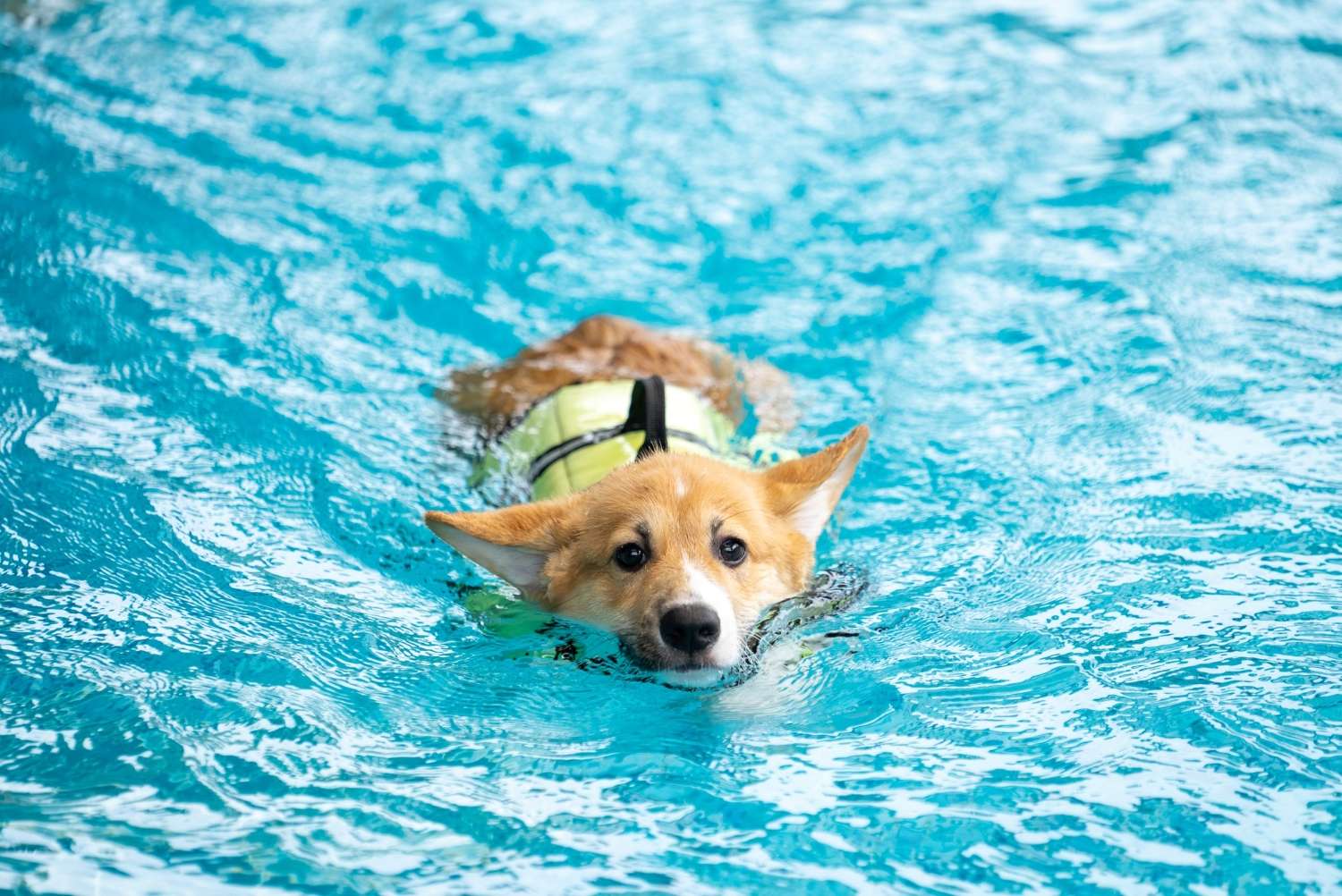
Summer’s here, and there’s nothing better than being able to cool off in the water. Whether you have a pool in your backyard, take trips to the lake, or enjoy a dip in the ocean, it’s even better when you can enjoy the water with your pup. But with summer swimming comes summer safety — not all dogs are natural swimmers, and knowing the risks allows you to keep your furry friend safe all season long.
Not Every Dog Is a Natural Swimmer
Not all dogs can swim. While some breeds are born for the water, other breeds lack the structure and breathing ability to swim. For example, Golden Retrievers are natural swimmers whereas Boxers typically struggle. And contrary to popular belief, not all dogs can paddle their way to safety. Some breeds have short legs that prevent paddling from being effective, and breeds with heavy bodies may have a hard time staying afloat.
A properly fitted life vest isn’t just a nice-to-have accessory, it’s an essential lifesaving device. Regardless of how comfortable your dog is with swimming, it’s always a good idea to take precautionary measures.
Lake and Freshwater Safety
Before letting your dog head straight into the water, consider the potential hazards that may not be as obvious as crashing waves:
- Blue-green algae
- Sharp debris
- Unknown currents
- Bacteria
- Water intoxication
- Hypothermia
Conditions can change quickly. Do your research before sending your dog loose to play. While in the water, monitor your dog for fatigue and water intake. After the swim session, give your dog a good rinse and monitor their health if there are any uncertainties of the water’s condition. If you notice that your dog is lethargic, throwing up, or demonstrating unusual behavior, call your vet.
Backyard Pool Safety
Similarly, a pool can pose risks to your furry friend. The chemicals used to keep a pool maintained can cause skin irritation and an upset stomach. Not all pools have stairs that are easily accessible, and pools that use ladders for entry/exit points are not suitable for canines. If you’re going to allow your dog in the pool, take the time to train your dog on water safety techniques. Ensure your dog is able to enter and exit the pool on their own, and set up the appropriate safety measures to prevent potential accidents. Spend time training your dog how to exit a pool safely if they ever wandered in the water. Most importantly, never leave your dog unsupervised. Consider adding a pool fence or a pool alarm to act as additional protection when you’re not around.
Ocean and Saltwater Safety
Visiting a dog-friendly beach? Overconsumption of saltwater can lead to salt toxicity that can cause dehydration, vomiting, and more. Be mindful of the riptides and waves that can wear your puppy out. And of course, be aware of sea creatures such as crabs and jellyfish that could spook or harm your dog.
When packing your beach bag, bring extra fresh water, food, paw protection, and an umbrella to provide shade for your dog. Sand can get hot quickly, so plan your trip to the beach early in the day or later in the evening.
General Water Safety Tips for Any Environment
No matter where you bring your dog to swim, a few water safety measures go a long way in protecting your dog.
- Equip your dog with a life vest
- Gradually introduce your dog to water
- Do not force swimming
- Supervise your dog at all times
- Rinse your dog post-swim
- Be mindful of your environment and potential hazards
Every dog is different, and building a positive relationship with water takes patience. Celebrate small wins, keep sessions short and stress-free, and always let your dog set the pace.
Keep the Fun Going All Summer
If you’re looking to head out of town without your dog, we’ve got you covered with safe, loving overnight care. Our indoor/outdoor kennel suites are equipped with fresh water, a shaded exterior, climate-controlled interior, soothing music, and clean bedding. Do you want your dog to join your family trip? We offer customized training programs to match your breed and needs. Contact us today for more information.