
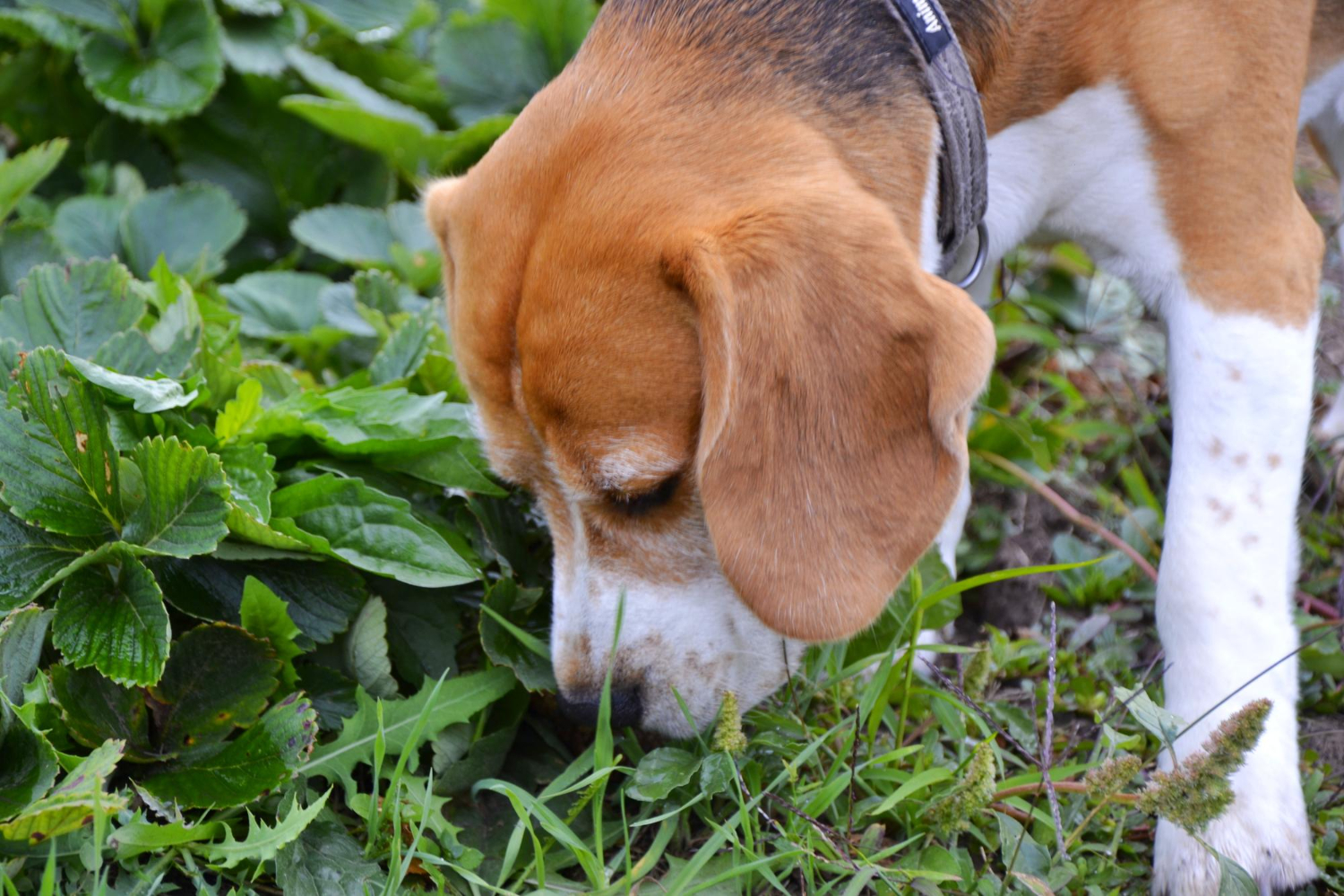
A working dog is trained to perform specialized tasks to assist humans, whether that’s assisting with search & rescue, patrolling, or detecting certain scents. The training that comes with holding this title begins early and requires patience, consistency, and positive reinforcement. These dogs give everything on the job. Working dogs are highly trained and driven, requiring experienced handling, structure, and thoughtful care.
For a working dog, consistency isn’t just a preference — it’s a foundation. These dogs operate at peak performance because of the reliable routines, commands, and environments they’ve been conditioned to trust. When that structure is disrupted by an ill-equipped boarding facility, the effects can ripple far beyond the stay itself. A dog that returns to duty anxious, confused, or with compromised conditioning is a liability — not just to the mission, but to the handler relationship that took years to build.
Not all kennels are equipped to care for working dogs. Choosing the wrong facility can mean weeks of retraining. Choosing the right one means your dog comes home ready to work.
What Makes Working Dogs Different
There’s a difference between a well-trained dog and a dog that’s trained to perform specific duties. Common breeds of working dogs include German Shepherd, Labrador Retriever, and Bernese Mountain. Their energy, focus, and intensity make these breeds great candidates for a working dog — and these traits don’t just switch off during a boarding stay. Working dogs also develop a strong bond with their handler. Their handler has spent countless hours teaching specific commands and developing a routine. A change in structure can impact the working dog’s behavior. On top of that, most kennels are not equipped to handle the physical exercise that a working dog requires to maintain their shape.
Understanding the type of work a dog performs helps a boarding facility provide appropriate care. While every dog is unique, their roles often shape their temperament, exercise needs, and stress triggers:
- Military & Law Enforcement: These dogs are trained for high-alert scenarios including apprehension, explosives detection, and patrol. They require calm, controlled environments and experienced handlers who understand their intensity.
- Search & Rescue: Search & Rescue dogs are task-driven and may show restlessness or frustration without mental stimulation. Nose work activities and problem-solving opportunities are particularly valuable for this group.
- Service & Psychiatric Service Dogs: Bonded deeply to their handlers, these dogs may experience elevated anxiety during separation. A calm environment, predictable routine, and gentle, confident handling go a long way.
- Detection Dogs: Whether trained for narcotics, agriculture, or medical alerts, detection dogs are scent-focused and cognitively active. Mental enrichment is just as important as physical exercise for this group.
The Specific Needs Working Dogs Have In a Boarding Environment
When choosing a boarding facility, a handler should ensure the needs of their working dog are met. Consider the following:
Structure & Routine: Working dogs thrive on predictability. They need consistent feeding times, consistent handling protocols, and staff who understand how to interact with a dog that’s been trained for command-response, not casual play.
Experienced Handling: These are not dogs you can treat like a golden retriever on vacation. Inexperienced staff can inadvertently undermine months of training — or worse, put themselves or the dog at risk. Working dogs can sense uncertainty and inconsistency immediately.
Space & Physical Stimulation: A standard kennel run isn’t enough for a dog used to working 8+ hour shifts. They need room to move, energy outlets, and ideally one-on-one active play sessions.
Low-Stress Environment: Noise, chaos, and unpredictable neighboring dogs can be highly stressful for a working dog whose nervous system is calibrated to alertness. Privacy walls, soothing music, and a calm atmosphere matter more for these dogs than for most.
Handler Communication: K9 handlers are often away because of duty — deployments, training exercises, law enforcement assignments. They need a boarding facility that communicates clearly, follows care instructions appropriately, and respects the dog’s working identity.
What to Look for In a Kennel As a Working Dog Handler
It’s a good idea to research or visit a dog kennel before booking a boarding stay. Here are questions to ask that can help determine if the boarding facility is a good fit:
- Does the staff have experience handling working dogs?
- Does your facility provide private, spacious suites?
- Can your facility manage my working dog’s specific diet?
- Is there an option to add exercise beyond basic yard time?
- How secure is your facility and what security measures are in place?
- Are you able to fully meet the needs of my working dog?
Boarding with The Canine Culture
Working dogs are highly trained and driven, requiring experienced handling, structure, and thoughtful care. They deserve a boarding experience that honors that. They deserve rest, care, and a facility that truly understands the life they lead. At The Canine Culture, we don’t just board dogs — we honor the work they do and the handlers who trust us with their partners. Whether a handler is on deployment, training, or just needs a few days away, their dog deserves a facility that truly understands what working dogs are made of. We’re proud to be able to provide a home away from home for all working dogs.
Interested in a dog boarding stay? Visit our website to learn more or give us a call to discuss your needs. To show our appreciation, veterans receive $10 off their total boarding reservation.