
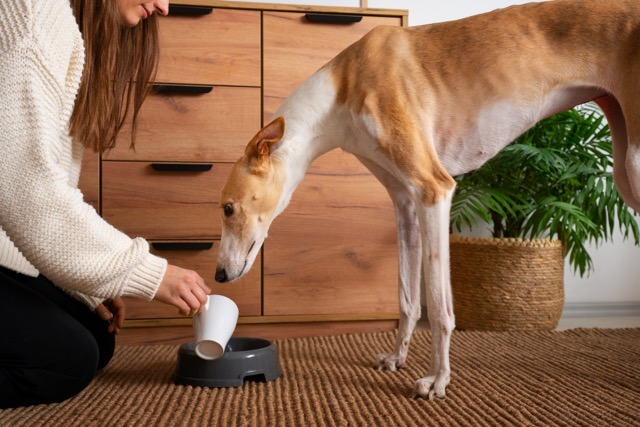
You are what you eat…and your pup is too! Choosing the right food for your dog can be overwhelming with the many options on the market, and it is an impactful decision that plays a role in your dog’s long-term health, energy, and overall well-being.
But, if you know what to look for when sorting through the endless nutrition labels, you can make the right choice for your unique pup.
Factors to Consider When Choosing Dog Food
Your Dog’s Traits
Every dog is unique, just like us humans. Different dogs have different nutritional needs based on their age, size, breed, and lifestyle.
Puppies typically require higher protein and fat to support growth, while adult dogs need balanced nutrition to maintain weight and energy. Senior dogs may benefit from foods that are easier to digest and support joint health.
Additionally, large and active dog breeds often need more calories and joint-supporting nutrients, while smaller or less active dogs may require fewer calories to avoid weight gain. If your dog has specific health conditions or sensitivities, your veterinarian can help guide you toward the most appropriate diet.
AAFCO Statement
The Association of American Feed Control Officials (AAFCO) says it is mandatory for dog foods sold in the U.S to be “complete and balanced” for a specific life stage of dog, from pup to adult to senior. The label indicates the food meets the minimum nutritional standards for pet food, based on feeding trials or nutrient profiles.
Order of Ingredients
The ingredients on a dog food label are listed by weight, just as the ingredients on human food labels are listed by concentration. Thus, the first few ingredients matter the most.
The first ingredient on the label should be a named animal protein like chicken, beef, or salmon. High-quality protein supports muscle development and energy for your pup—two main targets of a proper pet diet.
Unidentified Ingredients
Favor dog food products that have clearly identified ingredients rather than vague terms like “meat meal” or “animal by-products.” These products can be harder to trace in quality and may indicate lower-quality or inconsistent ingredient sources. Words like “natural,” “premium,” or “holistic” are not regulated and don’t necessarily indicate higher quality. Focus on the ingredient list and nutritional adequacy rather than front-of-bag marketing language.
Homemade Dog Food
In recent years, many people have opted to make their own dog food to meet the needs of their pup. It is a surefire way to ensure that your dog does not have any negative, unhealthy additives in their diet. However, it’s important to be realistic during this process. Do you have the time and energy to dedicate to the project? If not, use this guide to make an informed decision, leaving more time to care for your pup’s other needs and less last-minute grocery store decisions due to convenience or necessity.
Human Foods to Support Your Pup
If you want to treat your pup to something extra special with their meal, consider these add-ons that can come from your own meal:
- Pumpkin Puree: fiber to support digestion.
- Fruits (blueberries, apples, bananas, watermelon): antioxidants and vitamins to support immune health and wellness.
- Ensure you remove any seeds or rinds before giving to your furry friend.
- Cooked or Pureed Vegetables (carrots, celery, all types of greens): fiber and essential nutrients to support both digestion and immunity.
- Remember to avoid any nightshade vegetables, as these can be poisonous.
- Cooked Lean Proteins (meats, fish): extra protein and flavor to support muscle development and energy levels.
- Eggs (raw, scrambled, boiled): extra protein and biotin to support skin, coat, and muscle health.
- Peanut Butter: healthy fats and protein to support energy and satiety.
- Only if it is xylitol-free and served in moderation.
- Low-Fat Plain Yogurt or Cottage Cheese: probiotics and calcium to support digestion and bone health.
Important human-foods to avoid include xylitol, chocolate, grapes, raisins, onions, garlic, and macadamia nuts.
You can also create an enrichment activity for your dog by freezing different foods (blueberries, apples, carrots, etc.) with bone broth or plain water inside a toy, ice cube tray, or lick mat mold for a long-lasting and engaging treat. This provides mental stimulation, slows down fast eaters, and keeps dogs both occupied and satisfied.
Key Takeaways
Humans and dogs aren’t so different in our basic, biological needs. Follow what you know about your own nutrition to guide the decisions you make on behalf of your pet. Remember that it all comes down to the back of the package, not the design on the front. Avoid vague ingredients and prioritize having a named meat high in the ingredient list to help your dog stay healthy and happy for as long as possible!
Contact Us
At The Canine Culture, we take pride in taking care of your pups just as you do at home. Any specific dietary needs? Our team works to make sure your dog gets exactly what they need while visiting or staying with us. Need to make a reservation? Fill out the form below!