
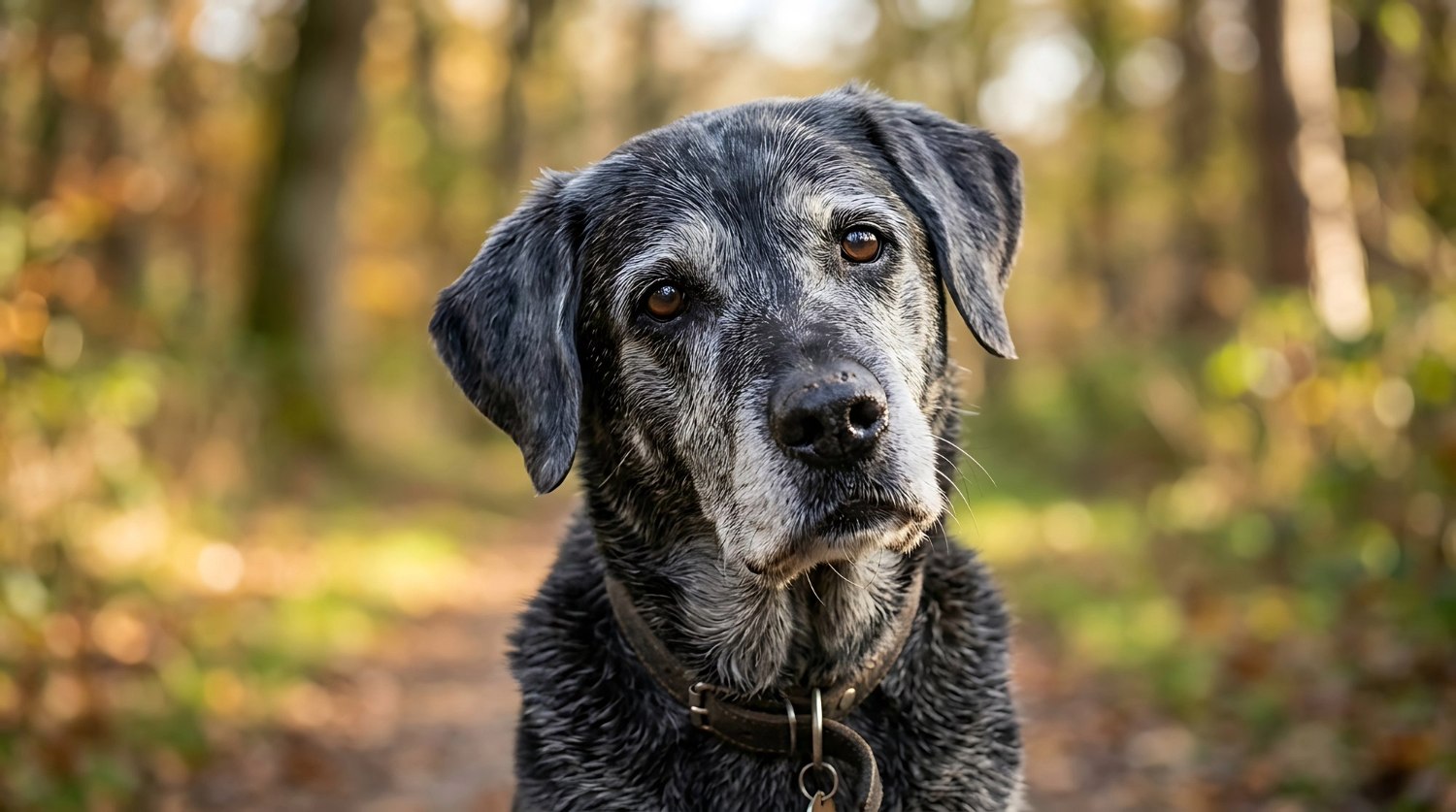
It probably feels like yesterday that you brought home a puppy full of energy. But ever so slowly, you start to notice your pup is moving a little slower, long walks are becoming too long, and a nap in the sun is preferred over a game of fetch. It’s not easy watching your canine companion grow older, but knowing what to expect and how to support your dog can make the journey much easier.
At What Age Is a Dog Considered a Senior?
Not all dogs become a senior at the same age. Differences in aging are due to a dog’s breed, size, lifestyle, and overall health. A dog with a shorter lifespan would be considered a senior before a dog with a longer lifespan, even at the same age. However, it’s worth paying a little extra attention and consulting with a vet once your dog turns seven years old to start having the conversation regarding their wellness plan.
Physical Signs of Aging in Dogs
Aging rarely happens overnight. More often, it shows up in small moments: a pause at the bottom of the stairs, a little more gray around the muzzle, or a nap that stretches through the afternoon. These changes are a normal part of getting older, and catching them early helps you keep your dog comfortable and spot anything that needs a vet’s attention. Here are the physical signs of aging in dogs to watch for:
- Stiffness, Slowing Down, and Mobility — Your dog may start having trouble with stairs or jumping into the car. You may also notice that your daily walks take a little more time than they used to.
- Graying, Coat, and Skin Changes — Your dog’s fluffy, soft coat may start to thin out or feel a little rough. Skin may become dry.
- Vision and Hearing Changes — Your dog may startle more easily and take longer to respond to cues. Their eyes may become cloudy.
- Appetite and Weight — While your pup may have chowed down during mealtime, your senior dog’s appetite may not be as strong. This lack of appetite could lead to weight loss. Some dogs gain weight instead, since a slower metabolism and less activity mean they need fewer calories.
- Sleeping More — Morning naps may stretch into the afternoon as it takes longer for a senior dog’s body to recover.
Senior Dog Behavior Changes
Along with physical changes, aging also affects a dog’s brain. Your senior dog may develop anxiety and become more clingy than usual. Your dog may also become more stressed when left alone. There’s also risk of developing dog dementia. If you start noticing signs of disorientation, sudden irritability, disrupted sleep cycles, and changes in behavior, speak with your veterinarian.
How to Help Your Senior Dog Age Gracefully
Your dog may have slowed down, but their golden years can still be full of walks, games, and plenty of time with you. A few small changes to their routine, home, and care can go a long way toward keeping them comfortable, confident, and happy. Here’s how to help your senior dog enjoy this stage of life to the fullest:
- Check with your vet about increasing regular checkups during the year.
- Switch from longer, strenuous hikes to gentle, regular exercise such as “sniff walks.”
- Despite the saying, old dogs can learn new tricks. Keep their brain enriched with puzzle feeders, scent games, and short training sessions.
- Keep daily schedules to decrease anxiety.
- Add additional comfort to your home by adding non-stick rugs, ramps, and supportive beds.
- Regular grooming appointments can add comfort and keep your dog’s coat healthy.
- Adjust your dog’s diet to aid in their aging.
Senior-Friendly Care at The Canine Culture in Stockton
At The Canine Culture, we welcome dogs of all breeds, sizes, and ages. Our services are designed to provide care and comfort at all stages. For dogs that choose a boarding stay, we provide climate-controlled indoor/outdoor suites, raised Kuranda beds, privacy walls and soothing music, accommodations for diet and medications given as directed, and opportunities for one-on-one pamper sessions. If you have long workdays and your furry friend could use some companionship, choose daycare that can add structure to your dog’s day. And a trip to the spa is the perfect way to keep your dog looking and feeling their best. Whatever you need, contact us today and learn how we can help.